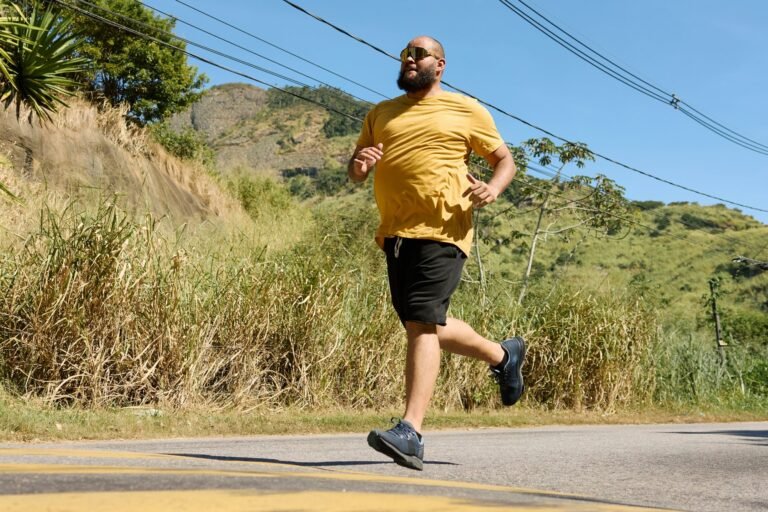

Why Warm-Ups and Cool-Downs Matter (Especially for New Runners)
The warm-up is the part everybody skips. You have thirty-five minutes, you are already running late, and standing in the driveway swinging your legs around feels like a waste of five of them.
I get it. But that five minutes is the cheapest performance upgrade in running, and a good running warm up matters more for a new runner than it does for a veteran.
What a running warm up actually does
Going from sitting at a desk to running is a big ask. Your heart rate has to climb, blood has to get redirected out to your legs, your muscles and tendons have to warm up and get more elastic, and your joints need to loosen and lubricate. All of that takes a few minutes whether you give it those minutes or not.
If you skip it, your body does the warming up during the first ten minutes of the run itself. That is why the first mile so often feels awful. Your breathing is ragged, your legs are heavy, and you spend the whole time wondering why you are so out of shape. A lot of the time you are not out of shape. You are just cold.
Give it five minutes up front and mile one stops feeling like a punishment. That alone changes how people feel about running.
The good news if you are on a run/walk plan
If you are following a Couch to 5K plan, your warm-up is already built in. That opening five-minute walk is not filler and it is not there to pad the workout. It is doing the job. Walk it briskly, not a stroll, and by the time your first jog interval starts, you are ready.
That is one more reason walk breaks are a real training tool and not a shortcut.

A simple warm-up that takes five minutes
- Brisk walk, four to five minutes. This is the bulk of it. Purposeful pace, arms swinging.
- Leg swings, ten each leg, forward and back. Hold a mailbox or a fence post.
- Walking lunges or a few slow squats, about ten. Wakes up the glutes, which most of us sit on all day.
- High knees or butt kicks, twenty steps. Optional, and it looks a little silly in the driveway. It works anyway.
Then start easy. The first few minutes of running should feel almost too slow.
Save the stretching for after
This is the piece that changed in the last twenty years and a lot of people never got the update. The long, hold-it-for-thirty-seconds stretches most of us learned in gym class do not belong before a run. Stretching cold muscles and holding it can temporarily reduce power output and it does not lower injury risk the way we used to think.
Before the run, you want movement. Legs swinging, hips opening, body moving through its range. After the run, when everything is warm, that is when a held stretch feels good and does some good.
The cool-down
Do not stop dead at the end of a run. When you are running, your leg muscles are helping pump blood back up to your heart with every stride. Slam the brakes and that assist disappears while your heart is still going hard. That is why people sometimes feel lightheaded or a little sick when they stop abruptly.
Walk for five minutes. Let your breathing settle and your heart rate come down on a ramp instead of a cliff. It is the easiest habit in running to build and one of the most worthwhile.
After the walk, if you want to stretch, go ahead. Calves, quads, hamstrings, hip flexors. Thirty seconds each, no bouncing, no pain. Ten minutes total is plenty.
If you take away one thing
Never start cold and never stop cold. Ramp up, ramp down. Everything in the middle goes better because of it.
Five minutes on each end. That is the whole ask, and it will do more for how your runs feel than almost anything else you could change this month.
New to running, or coming back after time away? My free 12-week Couch to 5K plan builds the warm-up and cool-down right into every workout, so you never have to guess. Get it free here.