How to Start Running When Overweight
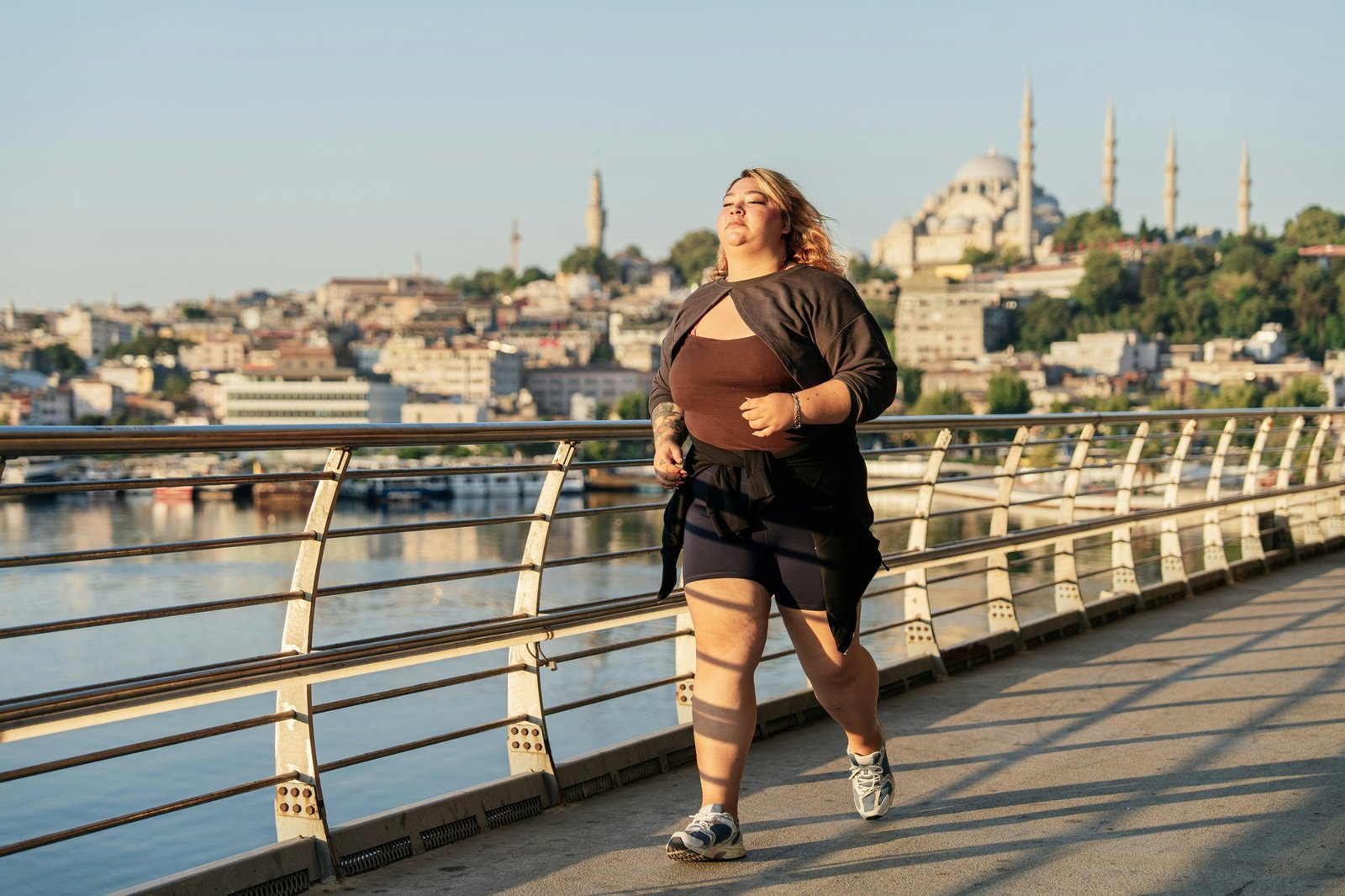
If you are carrying extra weight and thinking about running, I want to get one thing out of the way first: you are not too big, too slow, or too late. I promise. A few years back I weighed about 360 pounds, so I know exactly what it feels like to look at other runners and assume that world is not for someone like you. I lost most of that weight after weight-loss surgery, and running came later, as my way of reclaiming my health and proving to myself I could keep going. So when I talk about how to start running when overweight, I am not repeating something out of a textbook. I remember that feeling, and I have coached plenty of people through those first shaky weeks.
Here is what actually worked for me, and what I wish someone had told me before my very first run.
Talk to your doctor, then start slower than you think
Before your first run, check in with your doctor, especially if you have any history of heart, joint, or breathing issues. That is not me being dramatic. It is just the smart move, and it buys you peace of mind. Once you are cleared, forget about speed and distance entirely. The only goal in the beginning is to move gently, move often, and still be at it a month from now.
How to start running when overweight: walk first, then add short run breaks
This is the part that changed everything for me. When you are heavier, running every step from day one is hard on your body and your confidence. So do not. Walk first, then add short bursts of easy running, maybe twenty or thirty seconds at a time, with plenty of walking in between. Those walk breaks are not cheating. They are the strategy that lets a bigger body build up safely. If a run ever feels too hard, you are allowed to walk. That is not failure. That is how this works.
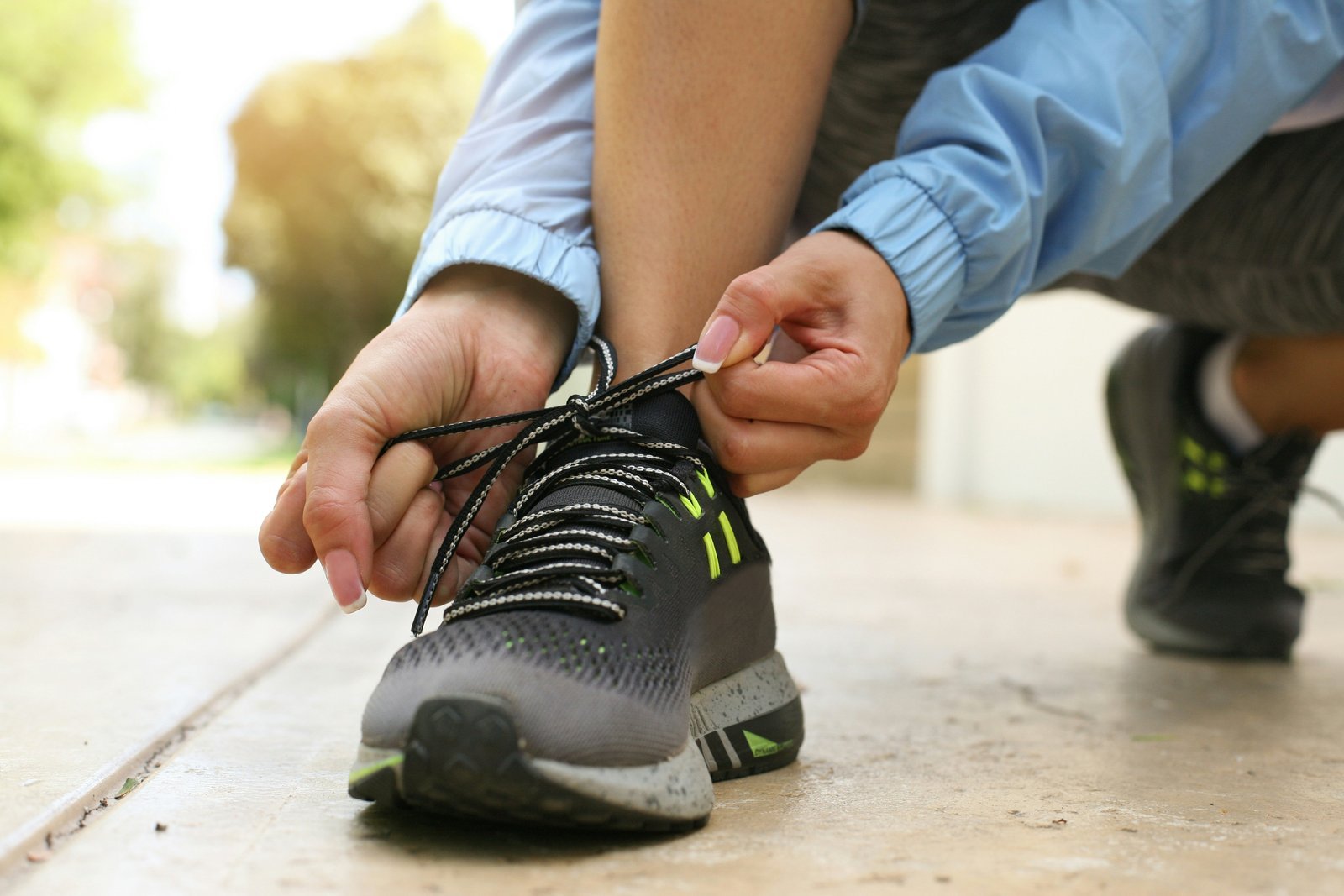
Go easy enough to hold a conversation
Almost every new runner starts out way too fast, then feels awful and assumes running is not for them. When you are starting from a higher weight, easy matters even more. Your effort should be gentle enough that you could talk in short sentences while you go. If you are gasping, you are going too hard. Slow down. Slower is not weaker. Slower is how you last.
Take care of the basics: shoes and rest
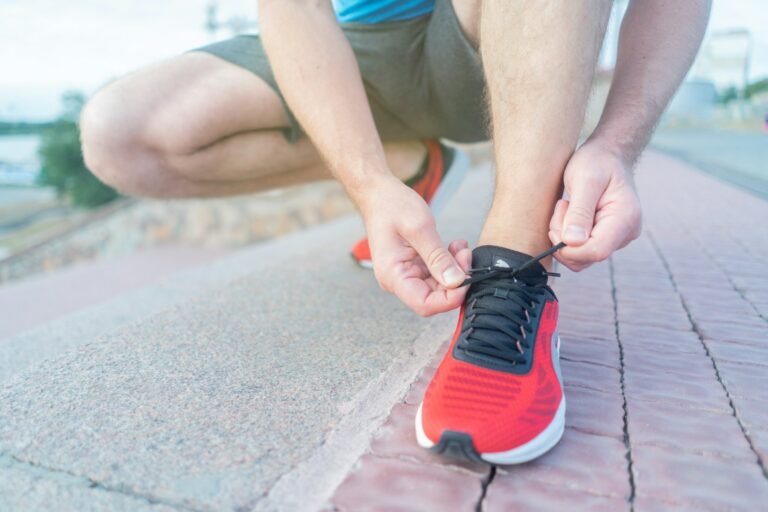
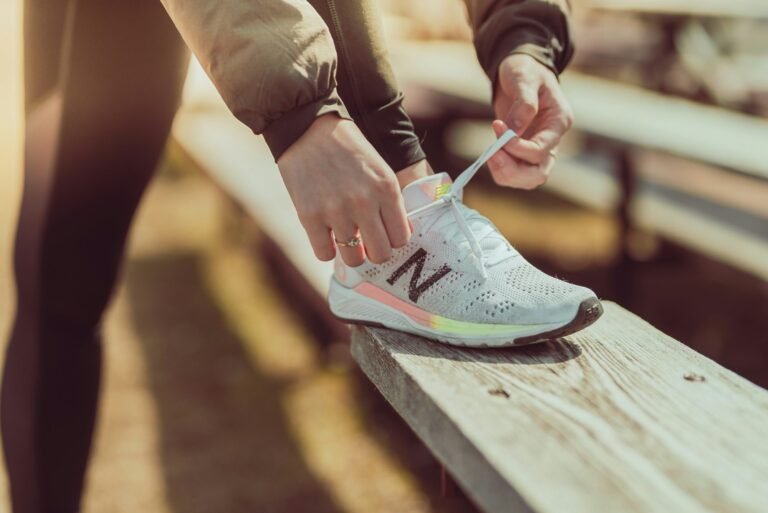
A couple of simple things make a big difference early on. Get fitted for running shoes at a real running store if you can, because the right shoes protect your feet, knees, and hips when there is more of you to support. And treat rest days as part of the plan, not a reward. Your body gets stronger in the recovery, not just the effort.
Be patient with your body and kind to yourself
Some days will feel great and some will feel like a slog, and both are completely normal. The runners who make it are not the ones who never struggle. They are the ones who keep showing up anyway. Do not compare your first mile to anyone else’s. The only person worth measuring against is who you were last week.
If you want a simple, walk-friendly way to begin, my free 12-week Couch to 5K plan was built for exactly this, for real people starting from real life. It will not ask you to do anything scary on day one. It just gets you moving, one step at a time.
You are not too big to begin, and you are not too late. I have been at 360 pounds, and I found my way to the start line. You can find yours too, one step at a time.